The operator answers
Access After the Streets Are Cleared
The Milwaukee question that almost nobody asks and that changes more outcomes in January than the daily rate does.
The four fields
- What the hold asks
- When the city runs a clearance on the streets around the lot, what does the lot do with the cars already standing on it, and does anything have to be moved
- What comes back
- The lot's own description of what it does, printed as given
- When to ask
- At the time of the request for any hold between December and March, and worth asking again in a heavy week
- If it is not asked
- The hold says nothing about it, which means nobody has told you and you should assume nothing
- Where the answer came from
- A written reply from the operator, kept with the request
Why this is the local question
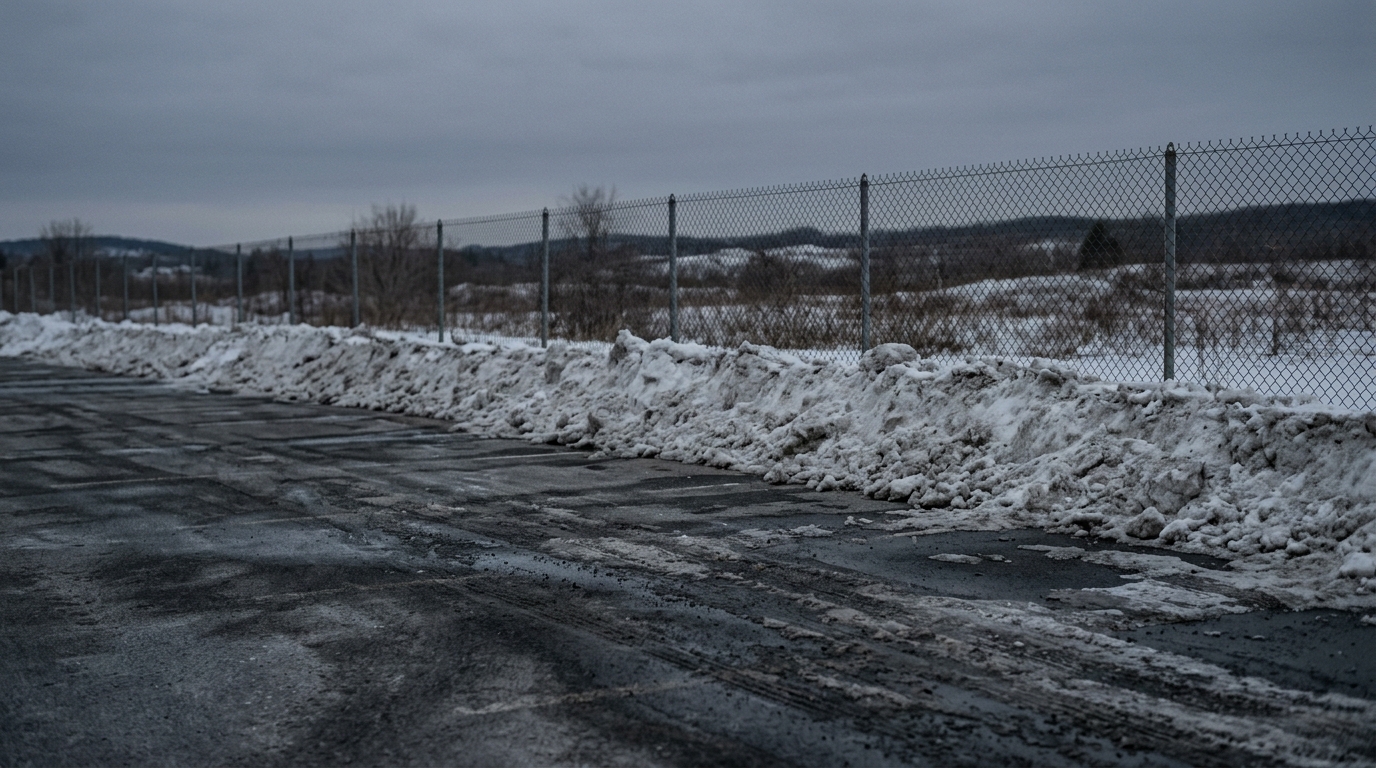
Between roughly the end of November and the middle of March, snow in this city has to go somewhere, and going somewhere means machinery moving along streets and through open ground on a schedule nobody consulted the traveler about.
For a car standing on a pad for nine days in January, three things can follow, and they are quite different from each other:
- Nothing. The lot's own ground gets cleared around standing cars, and the car is where it was.
- The car gets moved. Some lots move cars to clear a run of ground. That is not damage and it is not unusual, but a reader who was not told will be alarmed to find the car somewhere else.
- The car gets boxed in. Cleared snow has to be piled, and a pile can sit against a car for days.
None of those is a scandal. All three are worth knowing before you hand over keys, and only the lot can say which one applies to it.
What this counter will not tell you
It will not tell you what the city does. Municipal clearing arrangements and their posted hours change, and the figures available to this counter were years out of date when it checked, so it prints none of them. If you need the city's rules for a street, the city publishes them and that is the place to read them.
It will not tell you whether a lot's answer is true, because it cannot stand on the ground and watch.
And it will not promise that a car will be reachable at any particular hour after a heavy fall. Nobody can promise that, and a site that did would be selling something it does not own.
What a good answer sounds like
Specific and slightly boring: which ground gets cleared first, whether cars are moved and who has the keys if they are, how long a pile usually sits, and whether the lot will telephone if a car has to be moved. A lot that answers in that register has thought about it. A lot that answers "we handle it" has told you nothing, and the hold will print exactly that much.